Uncovering America's Heritage at the National Ballpark Museum
The National Ballpark Museum presents a unique perspective into America's baseball legacy. Through its assemblage of artifacts and displays, guests can discover the sport's evolution alongside social shifts. Legendary jerseys and rare pictures tell stories of icons and their impact on the game. As groups interact with hands-on exhibits, they uncover how baseball stays intertwined with American culture. What revelations might this museum unveil about the tomorrow of the sport?
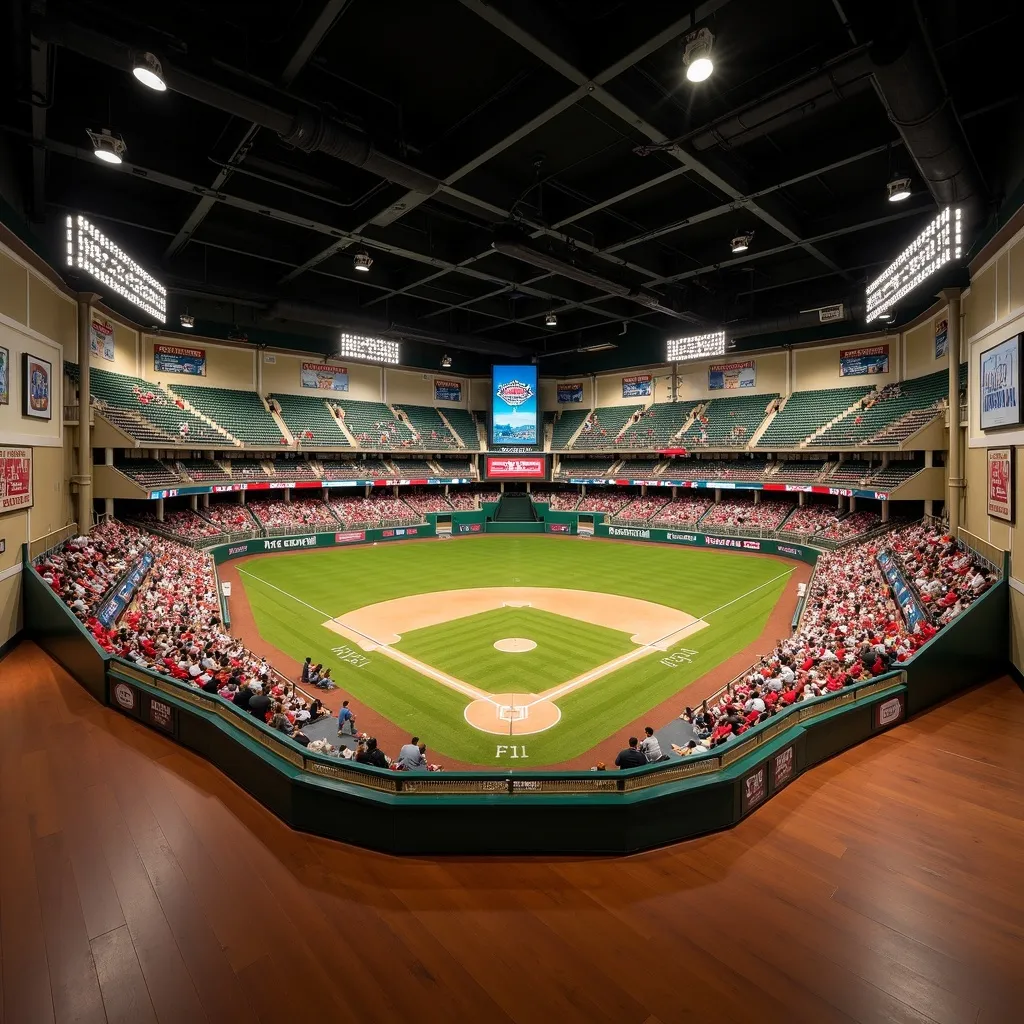
The Prosperous Legacy of Baseball in America
Baseball, commonly called America's favorite pastime, has a storied history that connects closely with the cultural landscape of the nation. Emerging in the 1800s, the sport quickly became famous, reflecting the social patterns and distinctive identities of the era. The creation of organized professional leagues revolutionized baseball into a foundation of American entertainment, with the National League forming in 1876 and the American League following in 1901.
Major occurrences, such as the integration of baseball in 1947 with Jackie Robinson, denoted substantial societal shifts, opposing societal norms and promoting civil rights. The game has also witnessed celebrated figures, from Babe Ruth to Hank Aaron, whose contributions resonate beyond the diamond. Iconic ballparks have held countless unforgettable moments, generating a shared experience for fans. Overall, baseball serves as a mirror of American history, encapsulating triumphs, struggles, and the lasting spirit of a nation bound by its passion for the game.
Iconic Baseball Collectibles You Can't Miss
While impressions of memorable contests and historic occasions endure in the minds of fans, iconic baseball memorabilia serves as tangible connections to the sport's rich heritage. The National Ballpark Museum stores an striking selection, featuring items that convey the nature of baseball's past. Visitors can marvel at classic garments used by Hall of Famers, each thread telling a story of triumph and perseverance. Signed spheres, preserved in glass cases, present windows into personal connections between players and fans, while scarce prints eternalize critical junctures in baseball history.
Among the main exhibits are title symbols, signifying the height of achievement, and vintage tickets that transport visitors back to remarkable contests. Each item inspires reflection and appreciation for the sport's evolution. This carefully selected collection not only highlights the sport's pivotal moments but also generates nostalgic emotions, informing people of the persistent tradition of America's pastime.
Encounter the Legends: The Manner the Museum Highlights Baseball Icons
Homage to baseball icons saturates the National Ballpark Museum location atmosphere of the National Ballpark Museum, where visitors are encouraged to explore the lives and achievements of the sport's most legendary figures. The museum features captivating exhibits that highlight the careers of baseball stars, providing artifacts, photographs, and interactive displays that bring their stories to life. Each section is meticulously curated to reflect the unique contributions of players such as Babe Ruth, Jackie Robinson, and Hank Aaron, showcasing their influence both on and off the field.
The museum also hosts special events and guest speakers, offering fans with opportunities to hear firsthand accounts and insights from former players and historians. This dedication to honoring baseball icons fosters a deep connection between visitors and the legends who molded the game. Through its immersive environment, the National Ballpark Museum guarantees that the legacy of these players keeps inspiring future generations of baseball enthusiasts.
Find Out How Baseball Stadiums Have Shifted
Baseball has advanced throughout the decades, and its stadiums have undergone considerable renovation to fulfill the changing requirements of fans and players alike. Early ballparks were typically basic, featuring wooden bleachers and sparse amenities, constructed essentially for the game itself. Yet, as the sport grew in popularity, stadiums started to introduce additional features, including enhanced seating, concessions, and restrooms, boosting the overall experience.
The debut of modern systems produced substantial improvements, including large-format displays and refined sound infrastructure. From an architectural standpoint, stadiums matured from the traditional, symmetrical formats to increasingly tailored, spectator-centric configurations, establishing captivating atmospheres that demonstrate local essence. The growth of business sponsorships also determined planning, with premium suites and top-tier accommodations turning into the standard. Today, stadiums serve as multi-purpose venues, facilitating entertainment and exhibitions beyond baseball, stressing their flexibility and social relevance in American culture. This transformation represents not just a sport, but a thriving civic space.
Family-Focused-Pastimes at the National Ballpark Museum
The National Ballpark Museum showcases a variety of family-centered pursuits that pay tribute to the rich history of baseball and its iconic stadiums. Families can savor engaging installations that invite children to get involved with the sport's history through tactile experiences. A scavenger hunt throughout the museum encourages young visitors to seek out artifacts and learn about celebrated figures and historic moments.
In addition, the museum puts together educational workshops where children can perfect their baseball skills, study the science of the game, and join in on storytelling sessions about famous teams and their achievements. Special events, such as family days, often showcase guest speakers from the baseball community, imparting a personal touch to the experience. With its spirited environment and rich activities, the National Ballpark Museum nurtures a love for baseball, making it an ideal hub for families looking to connect over America's favorite pastime.
Get Ready Your Visit to the National Ballpark Museum
Curious about how to make the most of a tour to the National Ballpark Museum? Guests are recommended to consult the museum's web portal for present hours and admission fees before organizing their visit. Located in Denver, Colorado, the museum is easily accessible via public transportation and offers surrounding parking options. It is recommended to set aside at least two hours to tour the extensive exhibits, which feature baseball history and memorabilia.
For individuals looking for a guided experience, the museum provides knowledgeable tours that delve more deeply into the collections. Families can experience interactive displays, making it a memorable outing for all ages. Additionally, guests should reflect on scheduling their arrival to match with unique gatherings or changing displays for an better experience. Finally, the museum shop offers distinctive keepsakes for admirers to bring back, ensuring that the visit makes a enduring memory.
Frequently Asked Questions
What Are the Museum's Operating Hours?
The museum is open from 10 AM to 5 PM, Tuesday through Sunday. It remains closed on Mondays, permitting staff to maintain exhibits and prepare for the next day's visitors enthusiastic to explore its attractions.
Does the Museum Charge an Admission Fee?
The museum requires a reasonable admission fee for admission. Guests can explore a extensive array of historical artifacts and exhibits, deepening their understanding of the sport's impact on American culture and history.
Can you take escorted tours at the Museum?
Offered guided tours at the museum provide visitors an thorough experience. Knowledgeable guides present observations and stories about the exhibits, deepening the knowledge of baseball history and its cultural significance.
Can I Acquire Souvenirs at the Museum?
Souvenirs are available for purchase at the museum. Visitors can discover a variety of memorabilia, including apparel, treasures, and themed items, enabling them to take home a piece of the experience from their visit.
Can You Navigate the Museum with a Wheelchair?
The museum is wheelchair accessible, guaranteeing that all visitors can explore its exhibits with ease. Accessible ramps and marked routes are provided, encouraging inclusivity and allowing everyone to enjoy the rich history showcased within its spaces.